

Biodynamic Wines of the Languedoc: Why Ricardelle de Lautrec Is the Producer You Need to Know
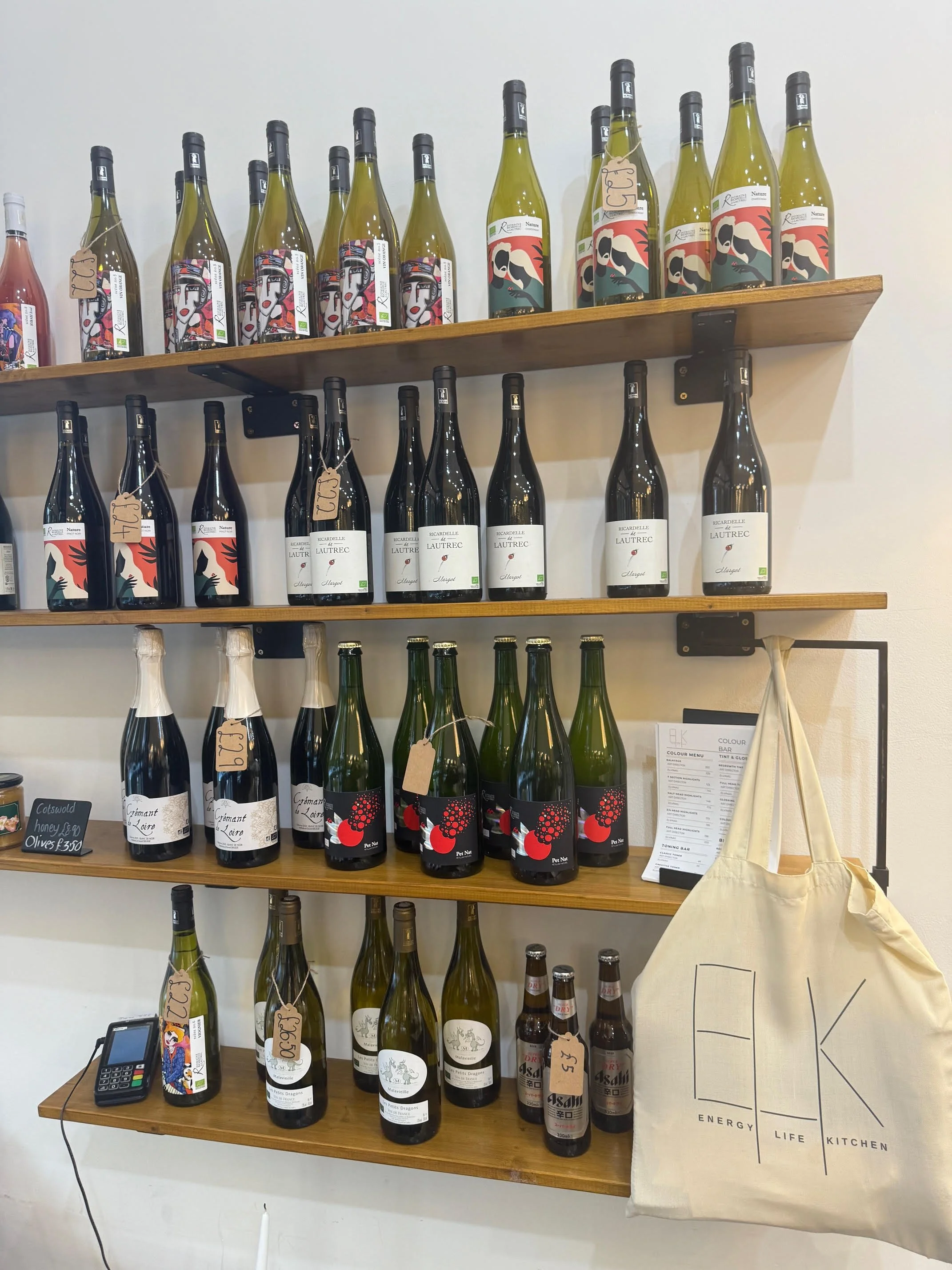
A family estate at the crossroads of three terroirs, farming by the moon on an ancient Roman road, making some of the most alive wines in the south of France.
Why the Languedoc?
If you have been paying attention to the natural wine world over the past decade, you already know that the Languedoc is having a moment. Actually, it has been having a moment for a while now, and it shows no sign of stopping.
The Languedoc is the largest wine-producing region in France, stretching across the sun-drenched south from the Spanish border to the Rhône Valley. For centuries, it was known for quantity over quality: vast volumes of unremarkable table wine made to fill glasses, not to inspire them. That reputation is now thoroughly outdated.
A new generation of growers, many of them committed to organic and biodynamic farming, has been quietly transforming the Languedoc into one of the most exciting wine regions in the world. The combination of abundant sunshine, diverse soils, affordable land, and a culture of experimentation has attracted winemakers who want to do things differently. The result is a region producing some of France's most vibrant, expressive, and honestly priced wines.
The Languedoc is also something of a pioneer in biodynamic production. Local farmers have been making wine using natural methods for generations, long before the term "biodynamic" entered mainstream conversation. Today, the region is home to a growing number of Demeter-certified estates, including one that has become a cornerstone of the Vino Cosmo tastings.
Domaine Ricardelle de Lautrec
Domaine Ricardelle de Lautrec is a family estate in Coursan, a small commune near Narbonne in the Aude département. The property sits at the crossroads of three celebrated Languedoc terroirs: La Clape, Minervois, and Corbières. If you wanted to design a location for making wines with character, you would struggle to do better.
The estate covers around 50 hectares of vines, and running through the property is the Via Domitia, the ancient Roman road that once connected Rome to Spain. Wine has been made on this land for a very long time.
The name itself carries history. The estate was once owned by the family of Henri de Toulouse-Lautrec, the painter whose work captured the bohemian nightlife of late 19th-century Paris. The name lives on through the domaine and its 19th-century cellars.
Today, the estate is run by winemaker Lionel Ricardelle, who combines traditional know-how with a commitment to farming that respects the land. Ricardelle de Lautrec has been certified organic since 1999, making them early adopters by any standard. In 2022, they took the next step and achieved Demeter certification for biodynamic farming.
Their approach is straightforward: hand-harvested grapes, native yeast fermentation, no added sulphites, minimal intervention in the cellar, and a deep respect for the lunar and seasonal rhythms that biodynamic farming demands. The ladybird (coccinelle) on their labels is not just a design choice; it symbolises the biodiversity that biodynamic farming nurtures.
The Wines
At Vino Cosmo, we pour four Ricardelle de Lautrec wines regularly. Each one represents a different side of the estate and a different expression of what biodynamic Languedoc wine can be.
Pét Nat
The celebration in a bottle. Pét Nat (Pétillant Naturel) is sparkling wine made the old-fashioned way: the wine is bottled before fermentation finishes, and the remaining sugars create a natural, gentle fizz inside the bottle. No second fermentation, no added sugar, no dosage. Just grapes and time.
Ricardelle's Pét Nat is 100% Chardonnay, pale gold in colour, and lively in the glass. The bubbles are soft and persistent, with aromas of fresh apple, citrus, and white grape. On the palate it is zesty and energetic, with a crisp, refreshing finish that has just a hint of sweetness. Certified Vin Méthode Nature, fermented with native yeast, no added sulphites.
This is the wine we often open first at Vino Cosmo tastings. It sets the tone: playful, natural, alive. It is the kind of wine that makes people put down their phone and pay attention.
Moon pairing: We love pouring this on New Moon nights. New moons are about beginnings, fresh energy, and possibility. The Pét Nat's lightness and effervescence match that energy perfectly.
Syrah Rosé
The one that changes minds about rosé. If your experience of rosé is pale Provence pink that tastes of not very much, Ricardelle's Syrah Rosé is a different conversation entirely.
This is a rosé with backbone. Made from 100% Syrah, it has a deeper colour than you might expect and an aroma that leans into red fruit: strawberry, redcurrant, a touch of dried herbs. On the palate, it is dry, structured, and savoury, with the kind of length that makes you pause and think about what you are drinking.
Biodynamic rosé is still relatively uncommon, which makes this wine even more interesting. It is a serious wine that happens to be pink.
Moon pairing: A natural fit for Full Moon events. Full moons carry a bolder, more expressive energy, and this rosé has the structure and depth to match.
Chardonnay Orange
The mind-opener. If you have never tried an orange wine, this is a beautiful place to start. If you have, you already know why it matters.
Orange wine is made from white grapes (in this case, Chardonnay) using the same technique as red wine: the grape juice is left in contact with the skins during fermentation, extracting colour, tannin, and texture. The result is a wine that looks like neither white nor red, tastes like neither, and challenges every assumption about what wine can be.
Ricardelle's Chardonnay Orange is amber-gold in the glass, with bold aromas of citrus peel, apricot, and something almost savoury. The palate is textured and layered, with a tannic grip you do not expect from a white grape, and a long, complex finish that reveals more the longer you sit with it.
This is the wine that consistently generates the most conversation at Vino Cosmo tastings. It surprises people. It makes them curious. And it is a perfect example of what happens when a winemaker trusts the process and lets the grape express something beyond convention.
Moon pairing: We pour this during Aquarius and Pisces moons, signs associated with unconventionality and dissolving boundaries. Orange wine does exactly that.
Margot (Red Blend)
The anchor. Every tasting needs a wine that grounds you, and Margot does that beautifully. This is a Languedoc red blend that brings together the warmth and generosity the region is known for, without any heaviness or excess.
The wine is structured, with dark fruit, gentle spice, and a smooth, rounded tannin structure. It is generous without being loud, warm without being overwhelming. There is a balance and a quiet confidence to this wine that keeps drawing you back for another sip.
As with all Ricardelle's wines, it is made with minimal intervention, native yeast, and no added sulphites. The result is a red that feels alive and honest, a true expression of what the Languedoc terroir can produce when the farming is right.
Moon pairing: This is our Earth sign wine. We pour it during Taurus, Virgo, and Capricorn moons, when the energy is grounded, sensual, and rooted in the physical world. Margot meets that energy beautifully.
Why Ricardelle de Lautrec Matters
There are a lot of producers making natural and biodynamic wine right now. What makes Ricardelle de Lautrec worth paying attention to?
They have been doing this for over 25 years. Organic certification since 1999, biodynamic Demeter certification since 2022. This is not a marketing pivot. It is a quarter-century commitment to farming in harmony with the land.
The range is remarkably diverse. From a fizzy, joyful Pét Nat to a contemplative orange wine to a grounded red blend, Ricardelle demonstrates that biodynamic farming does not produce a single "type" of wine. It produces wines that are more fully themselves.
The wines are honestly priced. The Languedoc's advantage over regions like Burgundy or Champagne is that the land is more affordable, and producers like Ricardelle pass that benefit on. These are Demeter-certified, no-sulphite, hand-harvested biodynamic wines at prices that make them accessible, not exclusive.
The terroir is exceptional. Rolled pebbles and clay-limestone soils, the convergence of three appellations, Mediterranean sun tempered by coastal winds. The wines carry a sense of place that is unmistakable.
Explore the Languedoc at Vino Cosmo
Every Vino Cosmo tasting features at least one Ricardelle de Lautrec wine, and many feature two or three. If you want to taste the Languedoc through a biodynamic lens, under a moon-lit sky, surrounded by people who are equally curious about what is in their glass, this is your invitation.
Vino Cosmo hosts biodynamic wine tastings in London timed to the lunar calendar. Follow us on Instagram @vinocosmo.